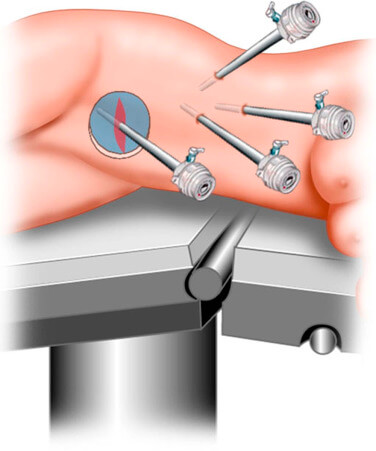
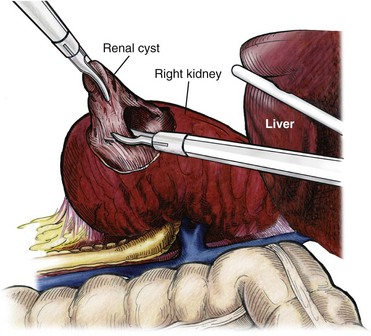
A renal cyst is a fluid-filled sac that forms on or inside the kidneys. Most kidney cysts are harmless and don’t cause problems, but sometimes, they can grow large, cause pain, or lead to complications like infections or obstructive symptoms due to compression over bowel. In these cases, a surgeon may recommend removing the cyst.
Laparoscopic renal cyst excision is a minimally invasive surgery where the surgeon removes the cyst using small incisions and a tiny camera (called a laparoscope) to guide the procedure. This method is less painful and faster recovers than traditional open surgery.
Symptoms That Might Lead to Surgery
Not all kidney cysts need treatment, but if you experience the following symptoms, it might be time to see a surgeon:
1. Pain: A dull ache or sharp pain in your side, back, or abdomen. 2. Infection: Fever, chills, or pain when urinating if the cyst becomes infected. 2. High Blood Pressure: Cysts can sometimes affect kidney function, leading to high blood pressure. 2. Blockage: If the cyst blocks urine flow, it can cause swelling or kidney damage. 3. Bleeding or Rupture: Rarely, cysts can burst or bleed, causing severe pain. 4. Obstructive symptoms: Obstructive symptoms due to DFT compressor overload.
When You Visit a Surgeon
If your doctor suspects a problematic renal cyst, they may refer you to a surgeon. During your visit:
• The surgeon will review your symptoms, medical history, and imaging tests (like ultrasounds or CT scans).
• They’ll explain whether the cyst needs removal and discuss the laparoscopic procedure.
• You’ll have the chance to ask questions about the surgery, risks, and recovery.
Why is it Important to See a Surgeon?
Seeing a surgeon is crucial if your renal cyst is causing symptoms or complications. Here’s why:
1. Prevent Kidney Damage: Large or problematic cysts can harm kidney function over time. 2. Relieve Pain: Surgery can eliminate the discomfort caused by the cyst. 3. Avoid Infections: Infected cysts can spread to other parts of the body if not treated. 4. Rule Out Cancer: In rare cases, what looks like a simple cyst could be something more serious, like a tumor. A surgeon can confirm the diagnosis and provide the right treatment. 5. To help patients to be symptoms-free.