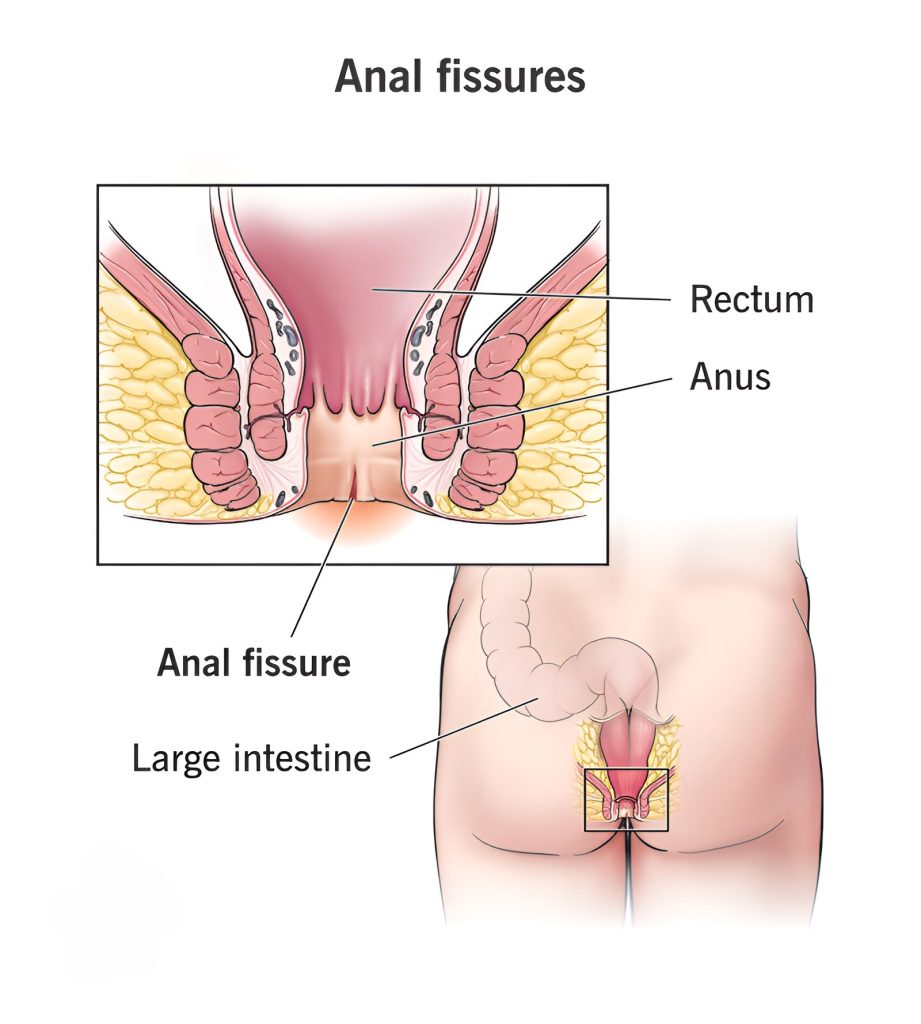
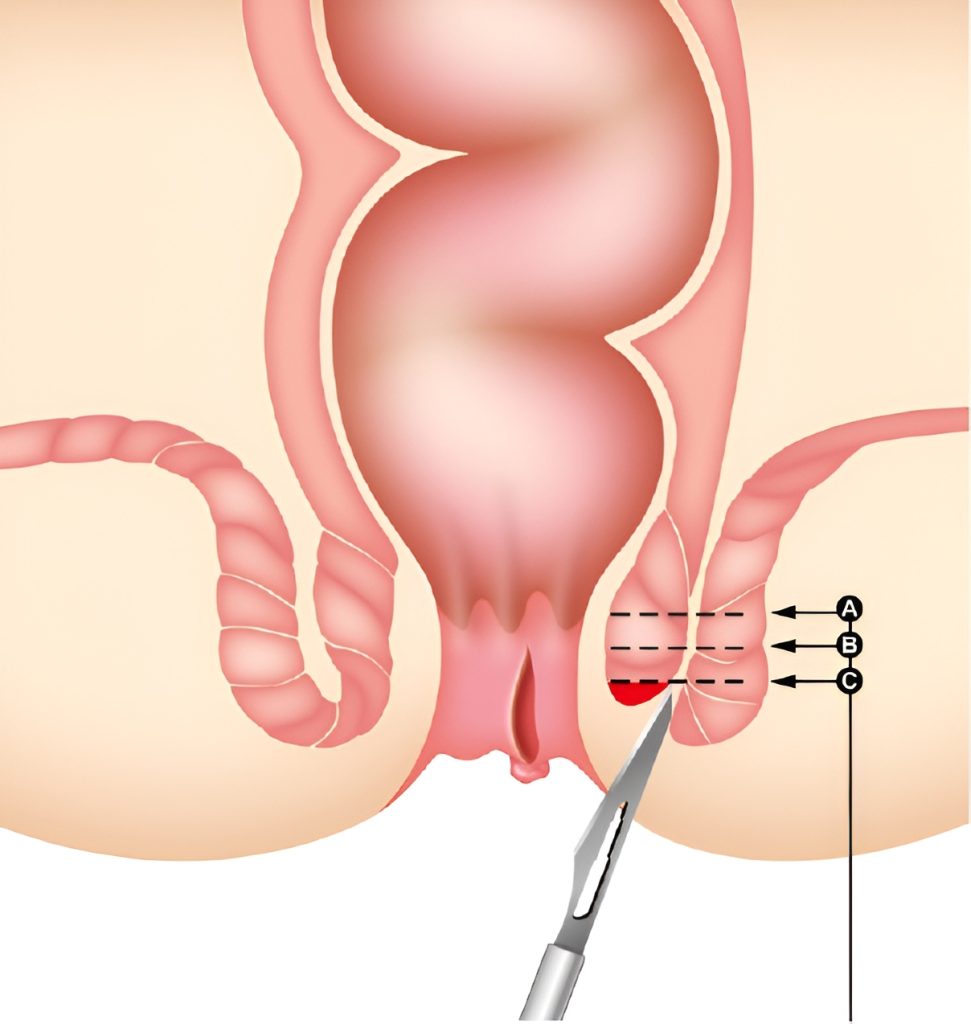
Lateral Internal Sphincterotomy (LAS): A Surgical Treatment for Chronic Anal Fissures
Lateral Internal Sphincterotomy (LAS) is a minimally invasive surgical procedure aimed at treating chronic anal fissures—painful tears or sores in the lining of the anal canal that do not heal with conservative treatments. The procedure involves making a small incision in the internal anal sphincter muscle to relieve muscle tension and improve blood flow, which promotes healing of the fissure and relieves pain.
Common Symptoms Indicative of Chronic Anal Fissures Requiring LAS
• Severe Pain During and After Bowel Movements: The hallmark symptom of an anal fissure is intense, sharp pain during defecation that can last from minutes to several hours afterward, significantly affecting quality of life.
• Bright Red Bleeding: Patients often notice bright red blood on the stool, toilet paper, or in the toilet bowl following bowel movements.
• Persistent Symptoms Beyond Eight Weeks: Anal fissures that do not heal within 6 to 8 weeks despite dietary fiber, topical ointments, and sitz baths are classified as chronic and may require surgery.
• Anal Spasms: Muscle spasms in the internal anal sphincter can cause ongoing pain and prevent healing by reducing blood supply to the affected area.
• Visible Crack or Tear: On physical examination, a visible fissure or small lump (sentinel pile) near the anal opening is often present in chronic cases.
• Itching or Irritation: Chronic fissures frequently cause itching or burning sensations around the anus, contributing to discomfort.
When You Visit a Surgeon:
You should consider seeing a surgeon if: • Your symptoms persist for more than 6 weeks (chronic fissure). • You have tried other treatments like dietary changes, stool softeners, or topical medications, but they haven’t worked. • The pain is severe and affecting your quality of life.
Why is it Important to See a Surgeon?
Seeing a surgeon is crucial because: • Accurate Diagnosis: A surgeon can confirm whether you have an anal fissure or another condition with similar symptoms, like hemorrhoids. • Effective Treatment: If conservative treatments fail, LAS can provide long-lasting relief by addressing the root cause of the problem—the muscle spasm. • Prevention of Complications: Untreated fissures can lead to complications like infections or a chronic cycle of tearing and healing, which can be more challenging to treat later.