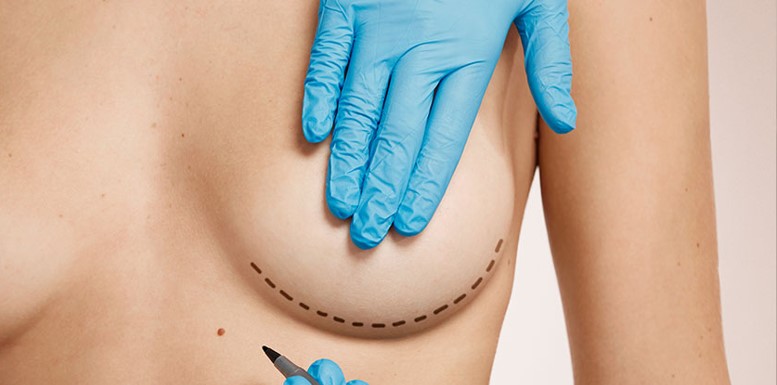
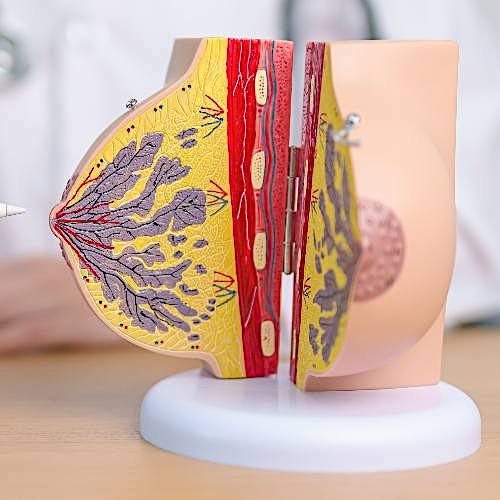
Breast surgery encompasses a variety of procedures aimed at treating different breast conditions, ranging from infections to cancer. Here’s a breakdown of common breast surgeries:
Symptoms That Might Lead to Surgery:
You might need ear lobe surgery if you notice: 1. A tear or split in your ear lobe (often from wearing heavy earrings or trauma). 2. Stretched or sagging lobes (common from gauges or heavy jewelry over time). 3. Pain, discomfort, or irritation around the ear lobe. 4. Difficulty wearing earrings because the hole is too big or damaged. 5. Aesthetic concerns – if your ear lobe looks uneven or unattractive due to damage.
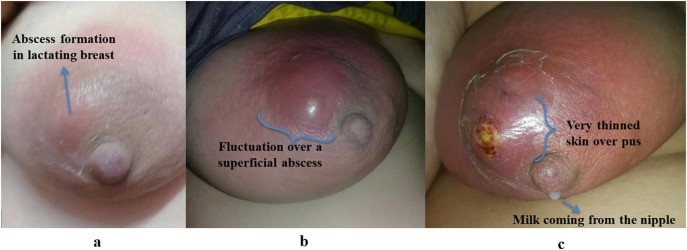
Drainage of Breast Abscess
•What it is: A breast abscess is a painful collection of pus that forms in the breast, usually due to an infection. Drainage involves removing the pus to relieve pain and treat the infection.
•Symptoms: Swelling, redness, warmth, severe pain, and sometimes fever.
• When to see a surgeon: If you notice a painful lump, redness, or fever, it’s important to see a surgeon quickly. Untreated abscesses can worsen and spread the infection.
• Why it’s important: Draining the abscess helps relieve pain, clears the infection, and prevents complications like sepsis.
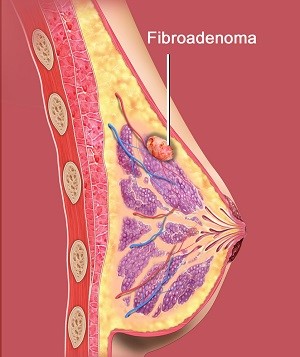
Excision of Fibroadenoma
• What it is: A fibroadenoma is a non-cancerous lump in the breast. Excision means surgically removing the lump. • Symptoms: A firm, smooth, movable lump in the breast, usually painless. • When to see a surgeon: If the lump grows, causes discomfort, or you’re worried about it being cancerous, a surgeon can evaluate and remove it. • Why it’s important: Removing the lump ensures it’s not cancerous and relieves any discomfort or anxiety.
Excision of Ducts
• What it is: This surgery involves removing one or more milk ducts in the breast, often due to conditions like ductal papilloma (a small benign growth in the duct). • Symptoms: Nipple discharge (sometimes bloody), pain, or a small lump near the nipple. • When to see a surgeon: If you experience unusual nipple discharge or pain, a surgeon can determine if the ducts need to be removed. • Why it’s important: Removing problematic ducts can prevent infections, stop abnormal discharge, and rule out cancer.
Lumpectomy
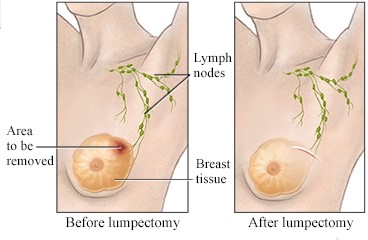
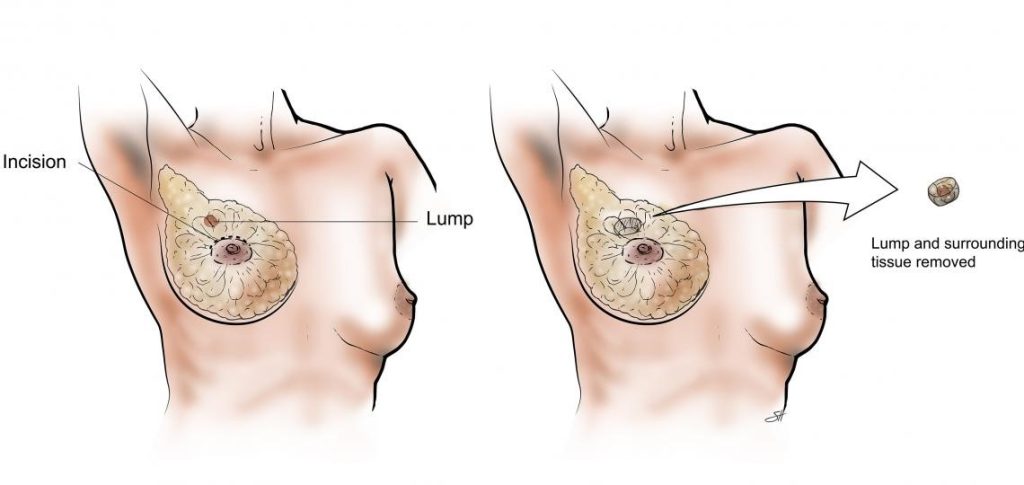
• What it is: A lumpectomy is the removal of a cancerous or suspicious lump from the breast while preserving the rest of the breast tissue. • Symptoms: A suspicious lump detected during a mammogram or physical exam.> • When to see a surgeon: If a biopsy confirms cancer or if there’s a high suspicion of cancer, a surgeon will perform a lumpectomy. • Why it’s important: This surgery removes cancer while keeping most of the breast intact, often followed by radiation to ensure all cancer cells are gone.
Mastectomy
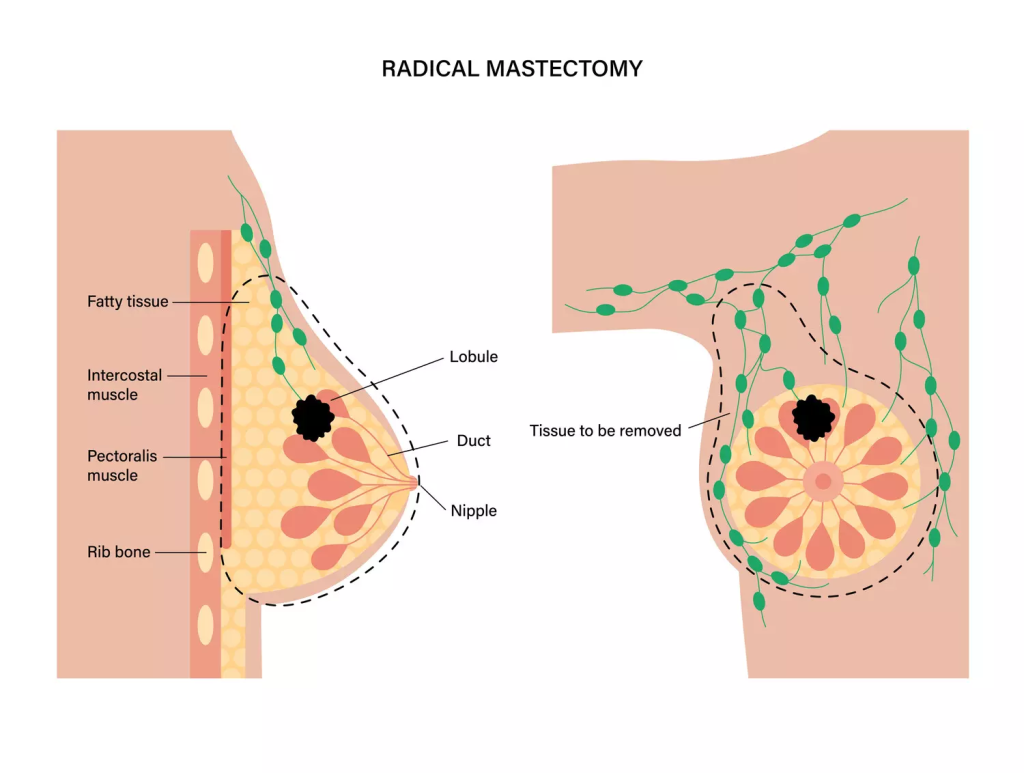
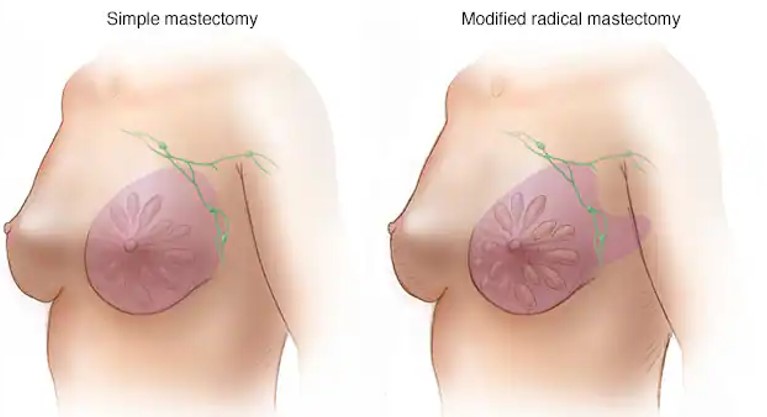
• What it is: A mastectomy is the surgical removal of the entire breast, usually to treat or prevent breast cancer. •Symptoms: A large cancerous tumor, multiple tumors, or a high genetic risk of breast cancer. • When to see a surgeon: If you have advanced breast cancer, a high risk of developing it, or if a lumpectomy isn’t an option. • Why it’s important: A mastectomy can be life-saving for those with aggressive or widespread breast cancer and can significantly reduce the risk of cancer in high-risk patients.
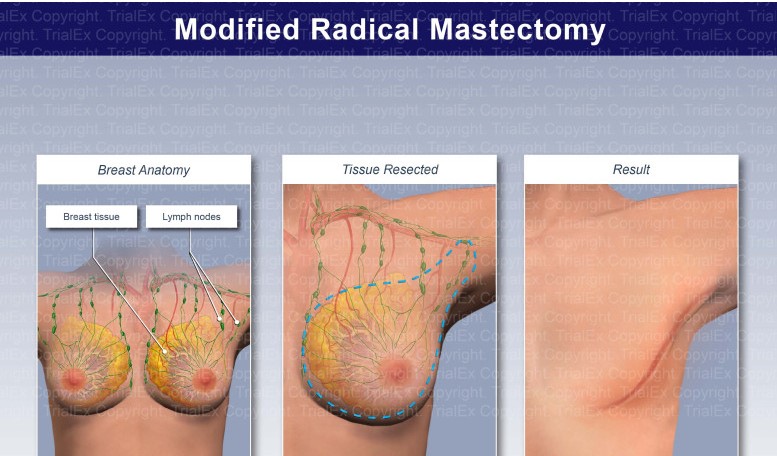
Modified Radical Mastectomy (MRM)
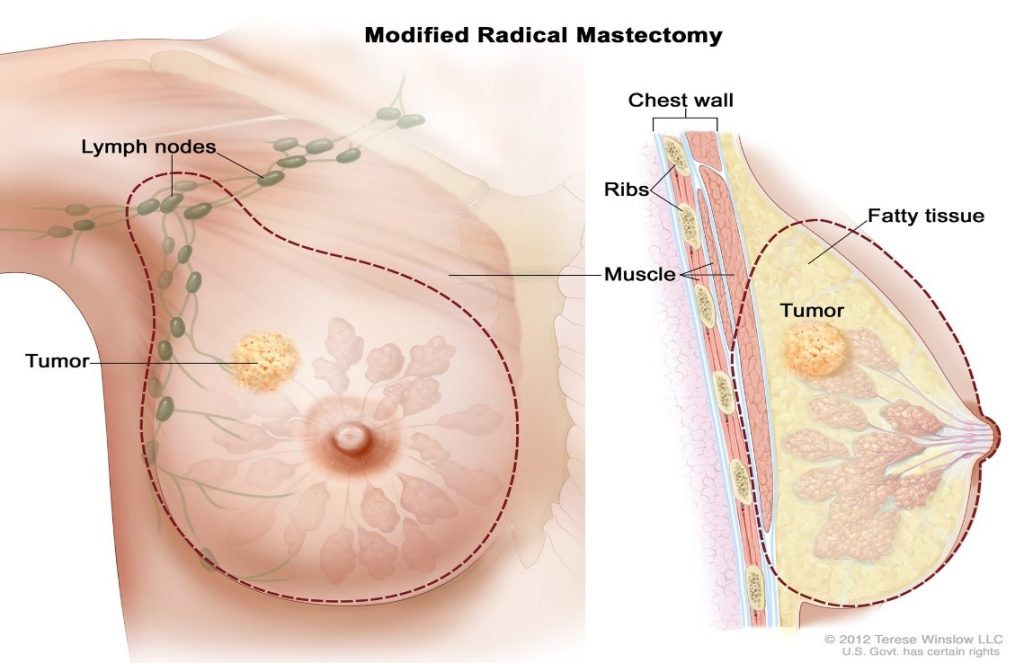
• What it is: This is a more extensive surgery than a standard mastectomy. It involves removing the entire breast, along with the lymph nodes in the armpit, but leaves the chest muscles intact. • Symptoms: Advanced breast cancer that has spread to the lymph nodes. • When to see a surgeon: If cancer has spread to the lymph nodes or if there’s a high risk of it spreading. • Why it’s important: MRM removes cancerous tissue and lymph nodes to prevent the spread of cancer to other parts of the body.
When You Visit a Surgeon
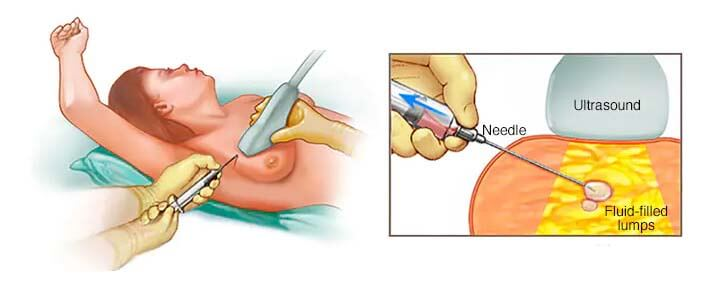
If you notice any unusual changes in your breasts, such as lumps, pain, nipple discharge, or skin changes, it’s important to see a surgeon. They will perform tests like ultrasounds, mammograms, or biopsies to diagnose the issue and recommend the best treatment.
Why is it Important to See a Surgeon?
• Accurate Diagnosis: Surgeons can determine whether a lump or symptom is benign or cancerous. • Timely Treatment: Early intervention can prevent complications, especially in cases of infection or cancer. • Peace of Mind: Knowing the cause of your symptoms and having them treated can reduce anxiety and improve your quality of life. • Prevention: In some cases, surgery can prevent conditions from worsening or spreading, such as in the case of cancer or recurrent infections.