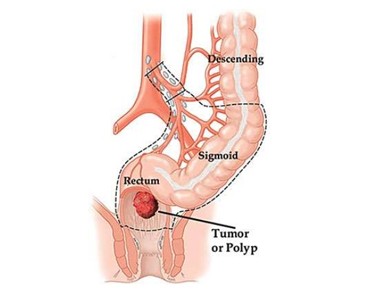
Abdominoperineal Resection (APR) is a surgical procedure used to treat low-lying rectal cancer (carcinoma). It involves removing the rectum, anus, and part of the colon through two incisions: one in the abdomen and one in the perineum (the area between the anus and genitals). After the surgery, the patient will need a permanent colostomy, which is an opening in the abdomen where waste is collected in a bag.
• Symptoms That May Lead to APR: Low-lying rectal cancer can cause symptoms such as:
Blood in the stool
Changes in bowel habits (diarrhea, constipation, or narrowing of stools)
Persistent abdominal pain or cramping
Unexplained weight loss
Feeling like the bowel doesn’t empty completely
Fatigue due to anemia (caused by blood loss)
If these symptoms persist, it’s important to see a doctor for further evaluation.
When You Visit a Surgeon: If you’ve been diagnosed with low-lying rectal cancer or are experiencing symptoms that suggest it, your doctor may refer you to a surgeon. During your visit, the surgeon will:
Review your medical history and symptoms.
Perform a physical examination.
Order tests like colonoscopy, MRI, or CT scans to confirm the diagnosis and determine the stage of the cancer.
Discuss treatment options, including whether APR is necessary.
Why is it Important to See a Surgeon? Seeing a surgeon is crucial because: 1. Accurate Diagnosis: A surgeon can confirm if the cancer is low-lying and whether APR is the best treatment option. 2. Treatment Planning: They will explain the procedure, risks, benefits, and what to expect during recovery. 3. Preventing Spread: Rectal cancer can spread to other parts of the body if not treated promptly. Surgery can help remove the tumor and reduce the risk of spreading. 4. Improving Quality of Life: While APR is a major surgery, it can be life-saving and improve your quality of life by removing the cancer and relieving symptoms.