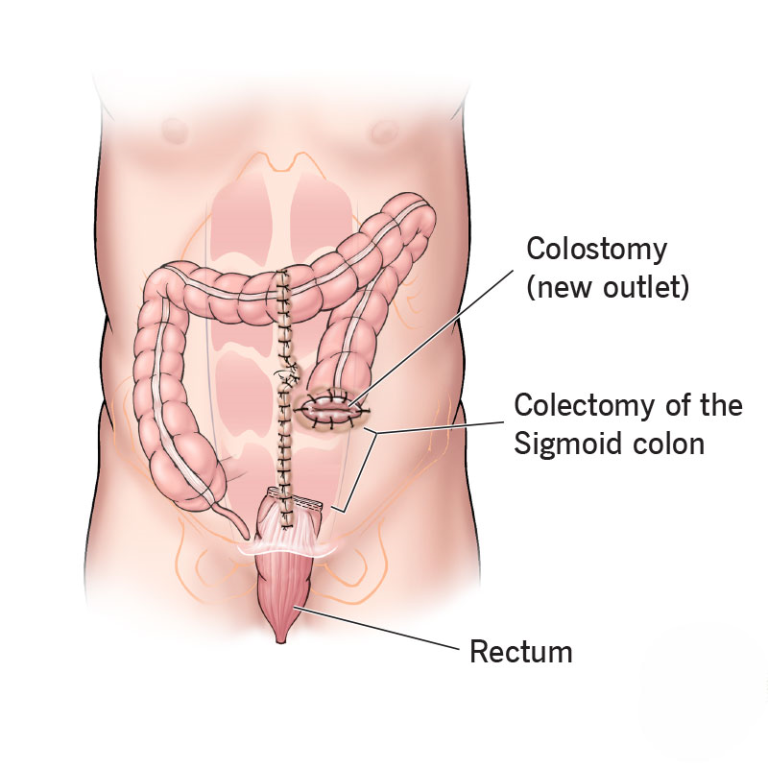
A hemicolectomy is a type of surgery where part of the colon (large intestine) is removed. Depending on which part of the colon is affected, the surgery can be a right hemicolectomy, or left hemicolectomy. The colon plays a key role in digestion, by absorbing water and electrolytes, solidifying waste, and eliminating it from the body so removing a portion of it is usually done to treat serious conditions like cancer, blockages, or severe inflammation.
Symptoms That Might Lead to a Hemicolectomy
If you’re experiencing any of the following symptoms, it might indicate a problem with your colon:
• Persistent abdominal pain or cramping.
• Blood in your stool or black, tarry stools.
• Unexplained weight loss
• Changes in bowel habits(diarrhea or constipation that lasts for weeks).
• Severe bloating or inability to pass gas(obstruction).
• Fatigue (often due to anemia from blood loss).
If these symptoms persist, it’s important to see a doctor, who may refer you to a surgeon.
Right Hemicolectomy: An Overview
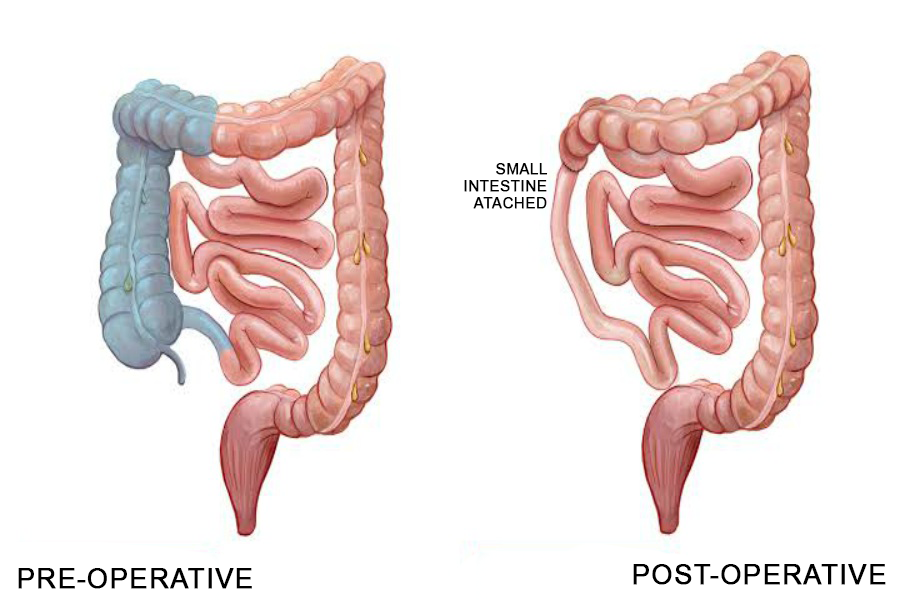
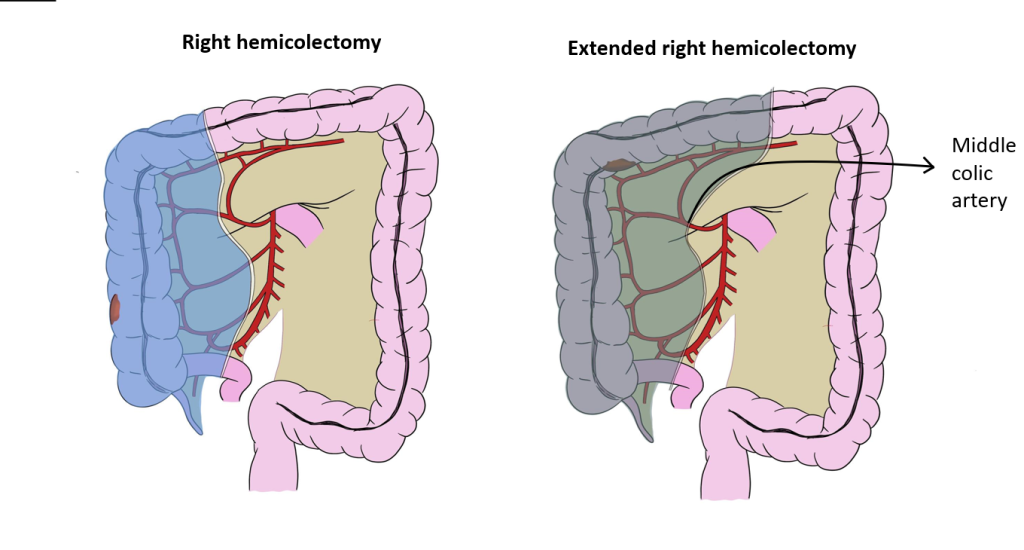
A right hemicolectomy is a surgical procedure in which the right section of the colon is removed. This includes the terminal ileum, cecum (including the appendix), ascending colon, and hepatic flexure. The operation is most commonly performed to treat right-sided colon cancer, large polyps, Crohn’s disease, severe diverticulitis, trauma, or obstructions that are not managed by conservative means
When is Right Hemicolectomy Needed?
Common reasons for left hemicolectomy include:
• Cancer located on the right side of the colon.
• Large polyps that cannot be safely removed by colonoscopy
• Complicated Appendicitis or Abscess i.e. In rare cases, severe right colon infections or abscesses that do not improve with medical treatment
• Inflammatory Bowel Disease such as Crohn’s disease that affect the right colon, causing inflammation, strictures, or obstruction
• Traumatic injury or ischemic damage (Ischemic Colitis) to the right colon
Left Hemicolectomy: Surgical Removal of the Left Colon
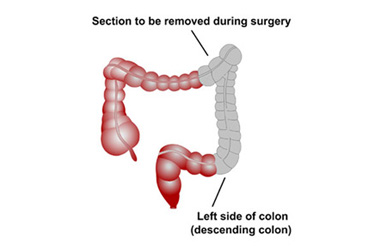
A left hemicolectomy is a surgical procedure to remove the left portion of the colon, specifically the descending colon and often the splenic flexure, with or without a segment of the sigmoid colon. This operation is typically performed to treat conditions such as colon cancer, complicated diverticulitis, large benign polyps, or other diseases affecting the left colon.
When is Left Hemicolectomy Needed?
Common reasons for left hemicolectomy include:
• Cancer located in the descending or sigmoid colon
• Large polyps that cannot be safely removed by colonoscopy
• Severe diverticulitis not responsive to medical therapy
• Bowel obstruction or narrowing (stricture) in the left colon
• Traumatic injury or ischemic damage to the left colon
Symptoms That May Require Adhesiolysis
• Bowel Obstruction: The most common and urgent indication for adhesiolysis is a blockage in the intestines. Symptoms may include severe abdominal pain, nausea, vomiting, bloating, inability to pass gas or stool, and abdominal swelling. • Chronic or Unexplained Abdominal Pain: Some individuals with adhesions may experience persistent pain or cramping in the abdomen or pelvis. Although pain alone is a less common reason, adhesiolysis may be considered if other causes have been ruled out and the pain significantly impacts quality of life. • Digestive Difficulties: Difficulty passing stool, persistent constipation, or changes in bowel habits that cannot be explained by other conditions might be due to adhesions causing partial obstruction. • Infertility: In rare cases, adhesions may cause infertility by blocking fallopian tubes or distorting pelvic anatomy. • Entrapment of Structures: Less commonly, adhesions may compress nerves, blood vessels, or the urinary tract, leading to symptoms like neuropathic pain or urinary difficulties
When You Visit a Surgeon:
If your doctor suspects a serious colon issue, they’ll refer you to a general surgeon or a colorectal surgeon. During your visit, the surgeon will: 1. Review your medical history and symptoms. 2. Perform a physical exam. 3. Order tests like a colonoscopy, CT scan, or MRI to get a clear picture of your colon. 4. Discuss whether surgery is necessary and explain the risks and benefits.
Why is it Important to See a Surgeon?
Seeing a surgeon is crucial because: 1. Accurate Diagnosis: Surgeons specialize in identifying and treating conditions that may require surgery. They can confirm whether a hemicolectomy is the best option. 2. Preventing Complications: Conditions like colon cancer or severe infections can worsen if not treated promptly. Surgery can prevent life-threatening complications. 3. Improved Quality of Life: Removing the diseased part of the colon can relieve symptoms like pain, bleeding, and bowel problems, helping you feel better. 4. Long-Term Health: For conditions like cancer, surgery can be curative or significantly improve your chances of recovery.